Artificial Intelligence in 2026: How AI Will Transform the World, Gadgets, and Everyday Life

Artificial Intelligence has evolved from a theoretical concept into the most transformative technological force of the 21st century. As we approach 2026, AI stands at a critical inflection point—transitioning from experimental implementation to ubiquitous integration across industries, devices, and daily human activities.
This comprehensive analysis examines how AI will reshape global society, the devices we use, the industries we depend on, and the fundamental nature of human productivity and decision-making in the years immediately ahead.
Understanding Artificial Intelligence: Foundation and Evolution
Artificial Intelligence refers to computer systems designed to perform tasks that traditionally require human cognitive abilities—learning from experience, recognizing patterns, understanding natural language, solving complex problems, and making informed decisions.
Unlike conventional software that follows explicit programming instructions, AI systems improve their performance through exposure to data. Machine learning algorithms identify patterns within information, while deep learning neural networks process data through multiple layers of analysis, mimicking aspects of human brain function.
By 2026, AI will have matured beyond narrow task-specific applications into more integrated, adaptive systems capable of handling multiple functions simultaneously while requiring less human oversight.
Why 2026 Represents a Critical Turning Point
Several converging factors make 2026 a watershed moment for artificial intelligence deployment worldwide.
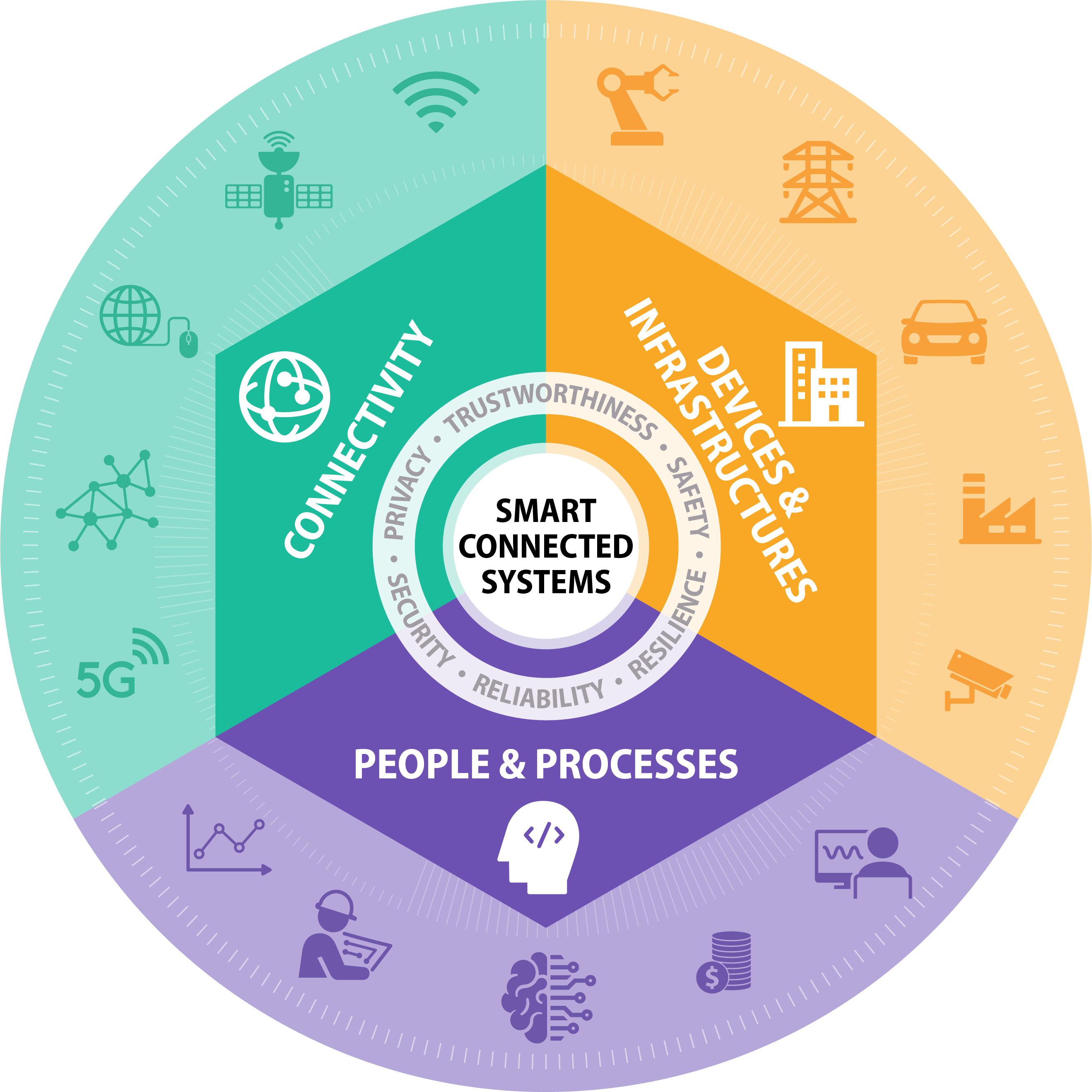
Infrastructure maturity has reached the point where cloud computing, 5G networks, and edge computing devices can support real-time AI processing at scale. The computational power once available only to major research institutions now exists in consumer devices and business-grade systems.
Cost reduction trajectories have brought AI implementation within reach of medium and small enterprises. What required millions in investment five years ago can now be achieved with thousands or even hundreds of dollars in many applications.
Regulatory frameworks are crystallizing across major economies. The European Union's AI Act, evolving standards in the United States, and governance structures in Asia-Pacific nations are creating clearer pathways for responsible AI deployment.
Workforce adaptation has accelerated. Educational institutions, corporate training programs, and individual learning initiatives have produced a generation comfortable working alongside AI systems rather than viewing them as replacement threats.
Generative AI breakthrough momentum continues expanding from text and images into video, 3D modeling, software development, and scientific research—multiplying practical applications across sectors.
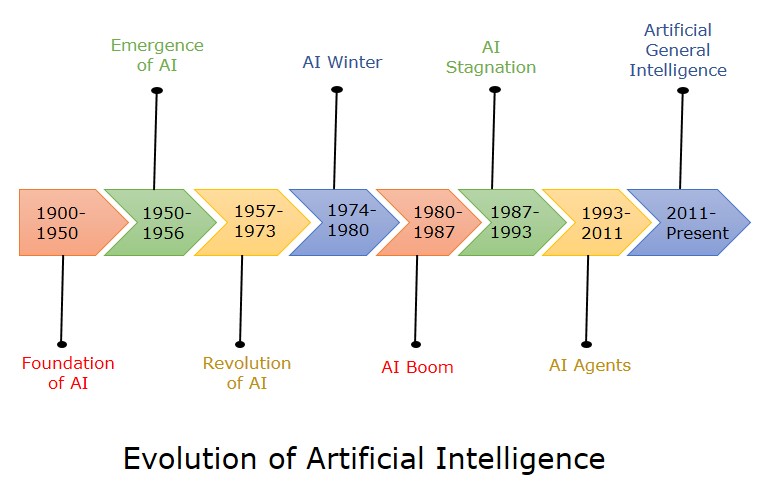
Global Expansion of AI Adoption by 2026
Developed Economy Integration
Advanced economies including the United States, European Union nations, Japan, South Korea, and Australia are transitioning from pilot programs to enterprise-wide AI implementation. Government services are incorporating AI for citizen support, resource allocation, and policy analysis. Healthcare systems employ AI diagnostics and treatment optimization. Financial institutions use AI for fraud detection, risk assessment, and personalized services.
Corporate adoption has moved beyond technology companies into traditional industries. Manufacturing facilities operate with AI-optimized production lines. Retail chains use AI for inventory management and customer experience personalization. Legal firms employ AI for document review and case research.
Emerging Market Acceleration
Developing economies are experiencing rapid AI adoption, often leapfrogging intermediate technological stages. Countries including India, Brazil, Indonesia, Nigeria, and Vietnam are deploying AI solutions in agriculture, microfinance, education, and healthcare delivery.
Mobile-first AI applications are particularly transformative in regions where smartphone penetration exceeds traditional computing infrastructure. AI-powered agricultural advisory services help smallholder farmers optimize crop yields. Educational platforms provide personalized learning at scale where teacher shortages exist.
Government and Policy Drivers
National AI strategies have become standard policy frameworks. Over 60 countries have published formal AI development plans. Governments are investing in AI research institutions, supporting startup ecosystems, and integrating AI into public services.
International cooperation on AI governance is advancing through organizations like the OECD, UN specialized agencies, and regional bodies. Standards for AI safety, transparency, and accountability are being harmonized to facilitate cross-border deployment while protecting citizens.
Democratization and Accessibility
The barriers to AI utilization are falling rapidly. Open-source AI models allow developers and businesses to build applications without creating fundamental algorithms from scratch. No-code and low-code AI platforms enable non-technical users to deploy AI solutions for specific business problems.
Cloud-based AI services operate on pay-as-you-use models, eliminating large upfront infrastructure investments. Educational resources for AI literacy are proliferating through free online courses, community forums, and industry certification programs.

AI Integration in Everyday Gadgets and Devices
Smartphones and Mobile Devices
By 2026, smartphones function as comprehensive AI assistants handling tasks far beyond current capabilities. On-device AI processing protects privacy while enabling real-time language translation, advanced photography with computational imaging, predictive text that understands context and intent, and health monitoring through sensor data analysis.

AI-powered personal assistants schedule activities, manage communications, provide contextual information, and learn individual preferences to offer proactive suggestions. Battery management AI extends device longevity by predicting usage patterns and optimizing power distribution.
Laptops and Computing Devices
Portable computers incorporate AI accelerators—specialized chips designed for machine learning tasks. These enable real-time video enhancement for remote meetings, intelligent document summarization and analysis, automated coding assistance for developers, and adaptive performance optimization based on workload.
AI security systems provide advanced threat detection, identifying suspicious behavior patterns that traditional antivirus software might miss. Productivity AI suggests workflow improvements and automates repetitive tasks without explicit programming.
Wearable Technology
Smartwatches and fitness trackers employ AI for sophisticated health monitoring. Algorithms detect irregular heart rhythms, predict potential health issues based on activity and biometric patterns, provide personalized exercise recommendations, and monitor mental health indicators through stress and sleep analysis.
AI-enhanced hearing aids adjust automatically to acoustic environments, filtering background noise and amplifying relevant sounds. Smart glasses overlay contextual information on the physical world, translating signs in real-time or providing navigation guidance.
Smart Home Systems
Home automation evolves from scheduled routines to genuinely intelligent environments. AI systems learn household patterns, optimize energy consumption, adjust lighting and temperature based on occupancy and preferences, and anticipate needs.

Security systems use AI-powered image recognition to distinguish between family members, expected visitors, and potential threats. Appliances communicate through AI coordination platforms, managing grocery inventory, suggesting recipes based on available ingredients, and scheduling maintenance.
Vehicles and Transportation
Automotive AI advances significantly by 2026. While fully autonomous vehicles remain limited to specific environments, AI driver assistance systems become standard—handling highway driving, parking, collision avoidance, and navigation optimization.
AI traffic management systems in smart cities coordinate signal timing, suggest optimal routes, and reduce congestion. Public transportation employs AI for demand prediction, route optimization, and maintenance scheduling.
Healthcare Devices
Medical devices incorporate AI for improved diagnostics and treatment. Portable imaging devices use AI interpretation to identify abnormalities. Glucose monitors employ predictive algorithms to alert diabetics before dangerous blood sugar fluctuations occur. AI-assisted surgical systems provide real-time guidance to surgeons during complex procedures.
Telemedicine platforms use AI to triage patients, recommend initial diagnostic steps, and flag cases requiring immediate attention. Mental health applications employ conversational AI to provide cognitive behavioral therapy support between professional sessions.
Industries Experiencing AI Transformation
Healthcare Revolution
AI reshapes healthcare delivery across diagnosis, treatment, drug discovery, and administration. Machine learning algorithms analyze medical imaging with accuracy matching or exceeding human specialists for certain conditions. AI systems process patient histories, genetic data, and current symptoms to suggest differential diagnoses and personalized treatment plans.
Drug development timelines compress dramatically as AI models predict molecular interactions, identify promising compounds, and optimize clinical trial design. Administrative AI reduces paperwork burden, automates billing and insurance processing, and schedules resources efficiently.
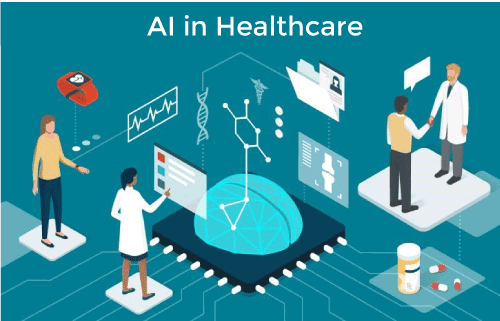
Remote patient monitoring AI enables earlier intervention for chronic conditions, reducing hospitalizations and improving outcomes. Predictive analytics identify patients at high risk for specific conditions, enabling preventive care strategies.
Education Transformation
Educational AI provides truly personalized learning experiences. Adaptive learning platforms adjust content difficulty, pacing, and presentation style based on individual student performance and learning patterns. AI tutors offer 24/7 support, answering questions and providing explanations tailored to student comprehension levels.
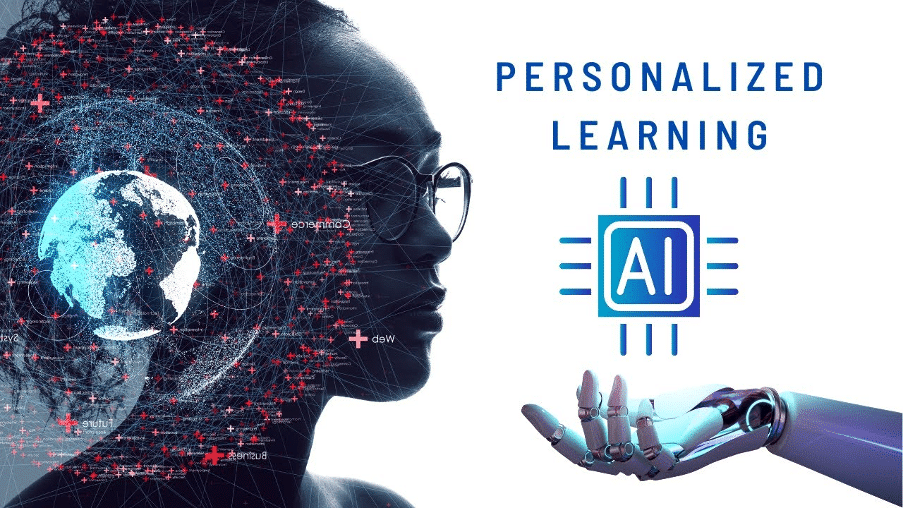
Automated grading for objective assessments frees teacher time for higher-value interactions. AI writing assistants help students improve composition while detecting plagiarism. Language learning AI provides conversational practice with instant feedback on pronunciation and grammar.
Educational institutions use AI analytics to identify students at risk of falling behind, enabling timely intervention. Curriculum design AI suggests content updates based on employment trends and skill demand forecasting.
Business and Marketing Evolution
AI fundamentally alters how businesses understand customers, optimize operations, and compete. Customer service AI handles routine inquiries through chatbots and voice assistants, escalating complex issues to human agents with full context. Sentiment analysis AI monitors brand perception across social media and review platforms in real-time.
Marketing AI personalizes content, timing, and channel selection for individual prospects. Predictive analytics forecast sales, optimize pricing, and manage inventory. AI-powered market research synthesizes consumer trends from multiple data sources, identifying opportunities and threats.
Supply chain AI coordinates logistics, predicts disruptions, and suggests alternative strategies. Financial planning AI projects cash flow, recommends investment strategies, and automates routine accounting tasks.
Manufacturing and Logistics Innovation
Smart factories employ AI across the production lifecycle. Computer vision systems perform quality control inspection at speeds impossible for human workers. Predictive maintenance AI monitors equipment sensor data, scheduling repairs before failures occur to minimize downtime.
Production optimization AI adjusts manufacturing parameters in real-time based on material variations, environmental conditions, and demand fluctuations. Collaborative robots work alongside human workers, handling dangerous or repetitive tasks while learning from human demonstrations.
Warehouse AI coordinates storage, retrieval, and shipping operations. Route optimization AI reduces delivery costs and times. Demand forecasting AI helps manufacturers align production with market needs, reducing excess inventory.
Agricultural Advancement
Precision agriculture AI analyzes satellite imagery, drone footage, and ground sensors to monitor crop health, soil conditions, and pest infestations. Automated irrigation systems apply water precisely where needed, conserving resources while optimizing yields.
AI-powered farm equipment performs autonomous planting, weeding, and harvesting. Agricultural advisory AI provides smallholder farmers with personalized recommendations on planting times, fertilizer application, and market timing.
Livestock monitoring AI tracks animal health, behavior, and productivity. Supply chain AI connects farmers directly with buyers, reducing waste and improving income.
Entertainment and Media Reinvention
Content creation AI assists across writing, music composition, video production, and game development. Recommendation algorithms curate personalized entertainment experiences. AI-powered special effects reduce production costs while expanding creative possibilities.
Interactive entertainment employs AI to create dynamic narratives that respond to player choices. Sports analytics AI provides deeper insights for fans and strategic advantages for teams. News organizations use AI to aggregate information, detect emerging stories, and even generate routine reports on financial results or sports scores.
How AI Works Behind the Scenes
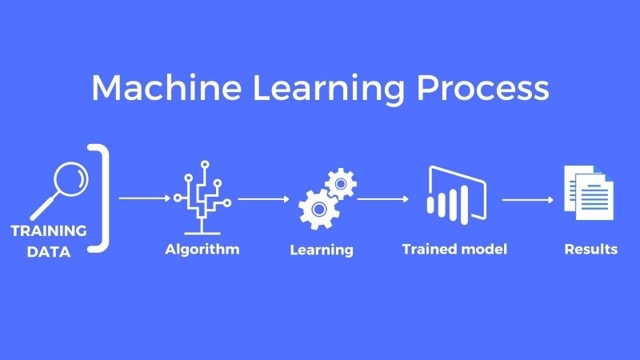
Machine Learning Foundations
Machine learning algorithms learn from examples rather than following explicit instructions. Supervised learning trains on labeled data, learning to map inputs to outputs. Unsupervised learning finds patterns in unlabeled data, identifying clusters or anomalies. Reinforcement learning optimizes decisions through trial and error, receiving feedback on action quality.
Deep learning employs neural networks with multiple processing layers, each extracting progressively abstract features from data. This approach powers image recognition, natural language processing, and complex decision-making systems.
Generative AI Capabilities
Generative AI models create new content based on patterns learned from training data. Large language models generate human-quality text for various purposes. Image generation models create visuals from text descriptions. Video generation AI is advancing rapidly, with 2026 systems producing increasingly realistic footage.
Code generation AI assists developers by suggesting implementations, finding bugs, and optimizing performance. Scientific AI generates hypotheses, designs experiments, and analyzes results in fields from drug discovery to materials science.
Automation and Decision Systems
Robotic process automation AI handles repetitive digital tasks—data entry, form processing, report generation—freeing human workers for higher-value activities. Intelligent document processing extracts and classifies information from unstructured sources.
Decision support AI analyzes multiple variables, forecasts outcomes, and recommends actions while explaining reasoning. These systems augment human judgment rather than replacing it, particularly for high-stakes decisions requiring ethical considerations or contextual understanding.
Cloud and Edge Computing Integration
Cloud-based AI services provide powerful processing capabilities accessible from any device with internet connectivity. Major providers offer pre-trained models for common tasks, custom model training infrastructure, and deployment platforms.
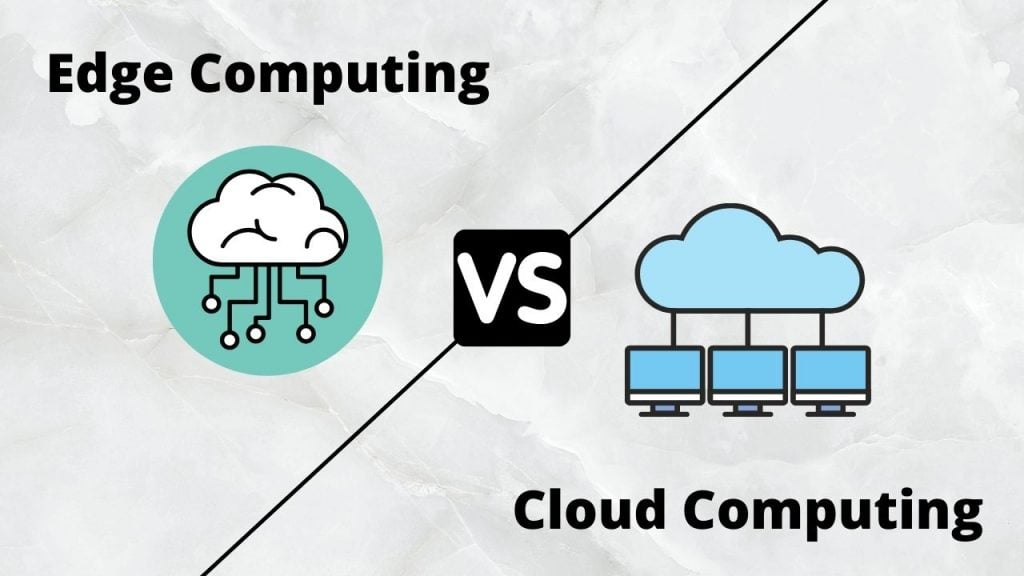
Edge AI processes data locally on devices, reducing latency, protecting privacy, and enabling operation without constant connectivity. By 2026, sophisticated AI models run on smartphones, IoT devices, and embedded systems, with cloud systems handling the most computationally intensive tasks.
Current Costs of AI Implementation

Individual User Expenses
Consumer AI services operate primarily on subscription models. Productivity AI assistants cost $10-30 monthly. Advanced creative AI tools range from $20-100 monthly depending on usage levels. Many basic AI features are embedded in standard software at no additional cost.
Personal devices with AI capabilities carry modest premiums over non-AI equivalents—typically $50-200 for smartphones or $100-300 for laptops. These costs continue declining as AI chips become standard rather than premium features.
Small Business Investment
Small businesses access AI through software-as-a-service platforms requiring minimal upfront investment. Basic AI-powered customer service chatbots cost $50-500 monthly. Marketing AI tools range from $100-1,000 monthly. Accounting and operations AI integrate with existing software at $100-500 monthly.
Custom AI solutions for specific business problems typically require $5,000-50,000 in development costs, depending on complexity. However, no-code platforms enable many businesses to implement AI solutions internally for under $10,000.
Cloud computing costs for AI workloads vary widely based on usage but typically represent $500-5,000 monthly for small business applications. These expenses scale with business size and usage patterns.
Enterprise-Level Deployment
Large organizations invest significantly more in AI infrastructure and custom development. Enterprise AI platforms cost $50,000-500,000 annually in licensing fees. Custom AI system development for specialized applications ranges from $100,000 to several million dollars.
Data infrastructure to support AI—storage, processing capabilities, security—requires substantial investment, often $500,000-5,000,000 for major implementations. Ongoing costs include cloud computing ($10,000-1,000,000+ monthly), maintenance, updates, and specialized personnel.
However, enterprise AI typically delivers measurable return on investment through efficiency gains, improved decision-making, and new revenue opportunities. Organizations report AI initiatives paying for themselves within 1-3 years when properly implemented.
Hardware Considerations
AI-specific hardware includes GPU servers for training models ($10,000-100,000+ per unit), edge AI devices for local processing ($100-5,000 depending on application), and specialized AI accelerators integrated into consumer devices (adding minimal cost to device prices).
Many organizations avoid hardware purchases entirely by using cloud-based infrastructure, converting capital expenses to operational costs while gaining access to cutting-edge capabilities without managing physical equipment.
Decreasing Cost Trajectory
AI implementation costs have decreased dramatically and continue falling. Open-source models reduce or eliminate licensing fees. Cloud providers compete aggressively on AI service pricing. Hardware efficiency improvements deliver more computational power per dollar annually.
By 2026, AI capabilities that required enterprise budgets in 2020 are accessible to small businesses. Tools demanding significant technical expertise become usable by non-specialists through improved interfaces and automation.
Benefits of AI Expansion
AI delivers substantial advantages across productivity, innovation, and quality of life improvements.
Productivity multiplication occurs as AI handles routine tasks, processes information faster than humans, works continuously without fatigue, and eliminates repetitive manual work. Knowledge workers report 20-40% productivity gains when effectively using AI assistants.
Decision quality improvement results from AI analyzing more variables than humans can consider simultaneously, identifying patterns humans might miss, reducing emotional biases in decision-making, and providing consistent analysis across similar situations.
Accessibility enhancement enables people with disabilities through AI-powered assistive technologies, bridges language barriers with real-time translation, provides expert-level information to non-specialists, and delivers services in underserved areas lacking human experts.
Innovation acceleration happens as AI explores solution spaces beyond human intuition, tests thousands of options rapidly, identifies unexpected connections between concepts, and frees human creativity from technical constraints.
Cost reduction benefits consumers and businesses through process automation, optimized resource utilization, reduced error rates and rework, and earlier problem detection preventing expensive failures.
Personalization at scale delivers customized experiences, products, and services to millions of individuals simultaneously impossible with human-only approaches.

Challenges and Concerns
AI expansion brings legitimate concerns requiring careful management.
Job market disruption affects workers in roles vulnerable to automation. While AI creates new positions, displaced workers often need retraining for different careers. The transition period creates economic stress for affected individuals and communities. However, historical technology transitions suggest long-term employment levels recover as new industries emerge.
Data privacy risks intensify as AI systems require extensive personal information. Unauthorized data collection, algorithmic surveillance, and inadequate security protections threaten individual privacy. Strong regulatory frameworks and privacy-preserving AI techniques are essential safeguards.
Algorithmic bias perpetuates or amplifies existing societal biases when AI trains on historical data reflecting discriminatory patterns. Biased AI affects hiring decisions, loan approvals, criminal justice, and healthcare access. Addressing bias requires diverse development teams, careful data curation, and ongoing monitoring.
Misinformation amplification becomes easier with AI-generated content. Deepfake videos, synthetic text, and manipulated images spread false information. Authentication technologies and media literacy education help counter these threats.
Security vulnerabilities include AI systems being manipulated through adversarial attacks, autonomous systems being hijacked, and AI-powered cyberattacks becoming more sophisticated. Cybersecurity measures must evolve alongside AI capabilities.
Accountability gaps emerge when AI makes consequential decisions. Determining responsibility for AI errors—designer, operator, or system itself—remains legally and ethically complex. Governance frameworks must clarify accountability chains.
Economic concentration could increase as the most advanced AI capabilities remain concentrated in a few major corporations or wealthy nations. Ensuring broad access to AI benefits requires deliberate policy interventions.
Existential considerations about advanced AI systems acting in ways misaligned with human values motivate ongoing safety research, though such concerns remain theoretical rather than immediate.
Regulatory and Ethical Frameworks
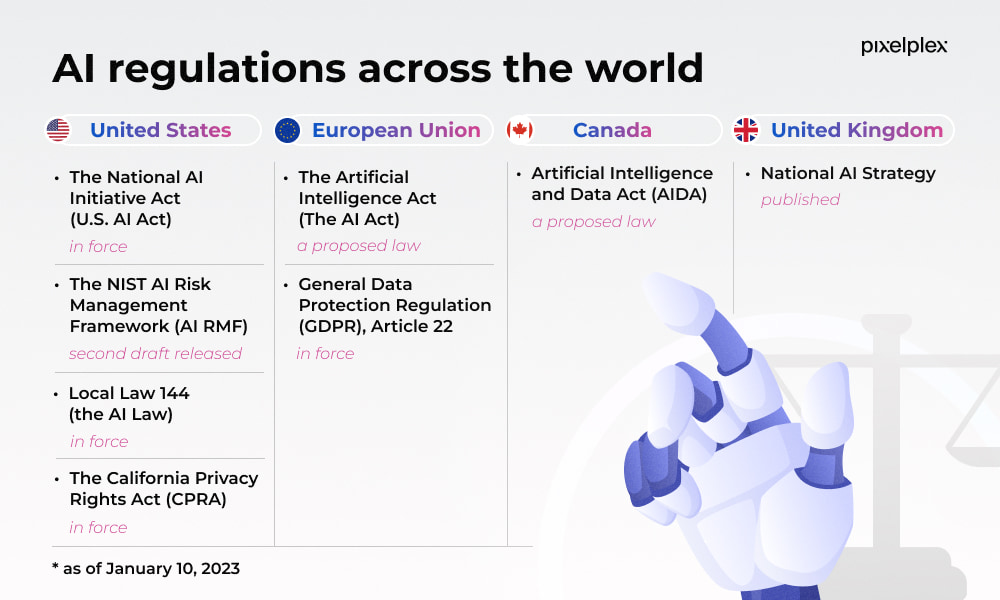
Governments worldwide are developing AI governance structures balancing innovation with protection.
The European Union AI Act categorizes AI systems by risk level, imposing stringent requirements on high-risk applications in areas like healthcare, education, and law enforcement while allowing light-touch regulation for low-risk systems. This framework influences global standards through market power—companies building to EU standards often apply them globally.
United States approaches combine sector-specific regulation, voluntary industry standards, and federal oversight of government AI use. The National Institute of Standards and Technology provides technical standards while regulatory agencies address AI in their domains.
Asian frameworks vary significantly. China emphasizes AI development for economic competitiveness while maintaining government oversight of societal impacts. Japan and South Korea focus on safety standards and international cooperation. India is developing frameworks appropriate for its development stage and democratic values.
International coordination through organizations like the OECD, UNESCO, and ISO develops shared principles on AI transparency, accountability, and human rights protection. These soft law instruments influence national regulations and corporate practices.
Industry self-regulation includes AI ethics boards at major companies, industry consortia developing best practices, and professional organizations creating ethical guidelines for AI practitioners. While valuable, self-regulation requires government oversight to ensure accountability.
Future Outlook Beyond 2026
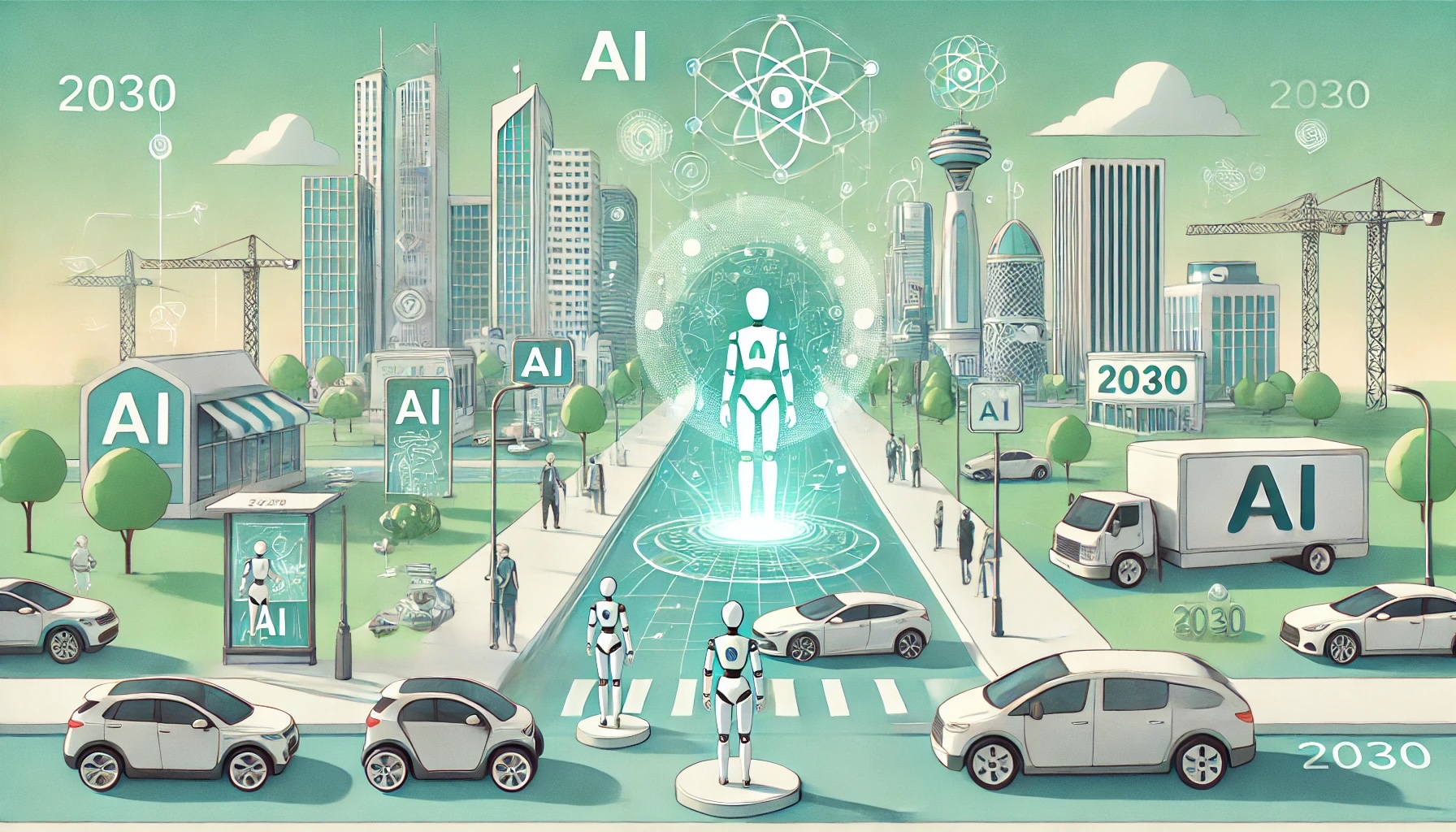
Near-Term Trajectory (2027-2030)
AI capabilities will continue advancing rapidly. Multimodal AI systems that seamlessly integrate text, images, audio, and video become standard. AI reasoning abilities improve, handling more complex problems with less training data. Human-AI collaboration interfaces become more intuitive and powerful.
Physical AI—robots and autonomous systems—expand from controlled environments into diverse real-world settings. Manufacturing, logistics, agriculture, and healthcare see increased physical automation. However, fully autonomous general-purpose robots remain years away.
AI becomes increasingly embedded in infrastructure—power grids, water systems, transportation networks—optimizing resource distribution and responding to disruptions. This integration improves efficiency but creates critical dependencies requiring robust security.
Long-Term Possibilities (2030s and Beyond)
The trajectory toward artificial general intelligence—AI systems matching human cognitive flexibility across domains—remains uncertain. Experts disagree whether AGI arrives in 15 years or remains perpetually decades away. Regardless of timeline, the societal implications of human-level AI require ongoing consideration.
Economic structures may require fundamental rethinking if AI automates the majority of current work. Concepts like universal basic income, reduced work weeks, and emphasis on creative rather than productive labor gain relevance.
Human augmentation through brain-computer interfaces could merge human and artificial intelligence, raising profound questions about identity, cognition, and human nature itself.
Scientific acceleration through AI could lead to breakthroughs in fundamental physics, medical science, climate solutions, and space exploration—achievements currently beyond human capabilities alone.
Maintaining Human Agency
Ensuring AI remains a tool serving human flourishing rather than an autonomous force shaping humanity to its logic represents the central challenge. This requires:
Preserving human decision-making in consequential domains including governance, justice, medical treatment, and resource allocation. AI should inform these decisions, not make them autonomously.

Cultivating uniquely human capabilities including ethical reasoning, emotional intelligence, creative expression, and interpersonal relationships—skills AI cannot replicate and which become more valuable as routine tasks automate.
Designing for human values by involving diverse voices in AI development, regularly assessing AI impacts on human wellbeing, and prioritizing human needs over technical optimization.
Maintaining technical understanding through widespread AI literacy, transparent AI systems, and accessible explanations of AI decision-making processes.
Conclusion
Artificial Intelligence in 2026 represents technology transitioning from nascent implementation to mature integration across global society. AI will be embedded in the devices we carry, the homes we inhabit, the vehicles we drive, and the services we access. Industries from healthcare to agriculture will operate fundamentally differently than they did just years earlier.
This transformation brings substantial benefits—productivity gains, improved decision-making, enhanced accessibility, and solutions to previously intractable problems. It also raises legitimate concerns about employment disruption, privacy erosion, algorithmic bias, and economic concentration that require thoughtful policy responses.
The defining characteristic of 2026 is not any single AI breakthrough but rather the normalization of AI as a standard component of technology infrastructure. Much as internet connectivity evolved from novelty to necessity, AI capabilities are becoming expected features rather than premium options.
The path forward requires balancing innovation with protection, access with security, and efficiency with human values. Societies that successfully navigate this balance will harness AI to improve living standards, expand opportunities, and address pressing challenges. Those that fail to manage AI thoughtfully risk amplifying existing inequalities and creating new vulnerabilities.
AI will not make humans obsolete but will fundamentally alter what it means to work, learn, create, and interact with technology. The question facing society is not whether AI will transform the world by 2026—that transformation is already underway—but rather how we ensure that transformation serves broad human flourishing rather than narrow interests.
Frequently Asked Questions

What is Artificial Intelligence in simple terms?
Artificial Intelligence is technology that enables computers and machines to perform tasks requiring human-like thinking—learning from experience, recognizing patterns, understanding language, and making decisions. Instead of following only programmed instructions, AI systems improve their performance by analyzing data and identifying patterns within it.
How will AI affect daily life in 2026?
AI will be integrated into most devices and services. Smartphones will function as intelligent assistants managing schedules and communications. Smart homes will automatically adjust to preferences and needs. Healthcare will use AI for diagnostics and monitoring. Education will provide personalized learning experiences. Transportation will employ AI for navigation and safety. These changes will happen largely in the background, making technology more helpful while requiring less manual operation.
Will all gadgets use AI in the future?
Most consumer devices will incorporate some AI capabilities by 2026, though not all devices require AI. Smartphones, laptops, smartwatches, home appliances, and vehicles will increasingly include AI features as the technology becomes standard rather than premium. However, simple devices performing basic functions may not need AI integration. The trend is toward AI becoming a default component in devices where it adds meaningful value.
Is AI expensive to implement today?
AI costs vary dramatically based on application. Individual consumers access AI through affordable subscriptions ($10-100 monthly) or free features in existing services. Small businesses can implement AI solutions for $50-5,000 monthly depending on needs. Large enterprises invest hundreds of thousands to millions of dollars in comprehensive AI systems. However, costs are decreasing rapidly, and cloud-based AI services eliminate large upfront investments, making AI increasingly accessible to organizations of all sizes.
Can small businesses afford AI?
Yes, small businesses can now access AI through affordable software-as-a-service platforms. Basic AI tools for customer service, marketing, and operations cost $50-1,000 monthly—comparable to other business software. No-code AI platforms enable implementation without technical expertise. Cloud computing eliminates hardware costs. Many small businesses report positive return on investment within months of AI adoption through efficiency gains and improved customer service.
Is AI safe and regulated?
AI safety and regulation are evolving rapidly. The European Union, United States, China, and other major economies are implementing AI governance frameworks. These regulations address high-risk applications in areas like healthcare, finance, and law enforcement while allowing innovation in lower-risk domains. However, regulation varies by country and is still developing. Organizations implementing AI should follow best practices for data security, algorithmic transparency, and human oversight, particularly for consequential decisions affecting individuals.
Will AI take away jobs?
AI will transform job markets rather than simply eliminating employment. Some roles will be automated, particularly those involving routine, repetitive tasks. However, AI also creates new positions in AI development, implementation, maintenance, and oversight. Historical technology transitions show that while specific jobs disappear, new industries emerge creating different employment opportunities. Workers may need retraining, and the transition period creates challenges, but long-term employment levels historically recover as economies adapt to new technologies.
How can I prepare for an AI-driven future?
Develop skills that complement rather than compete with AI—creative thinking, complex problem-solving, emotional intelligence, and ethical reasoning. Gain basic AI literacy to understand how these systems work and their limitations. Learn to work effectively with AI tools in your field. Cultivate adaptability and continuous learning habits. Focus on uniquely human capabilities including interpersonal relationships, strategic thinking, and navigating ambiguous situations where AI struggles.
Comments
Post a Comment